
 By
By 
In this digital world where data’s basically the new oil, Nigeria’s move to let a bit of outside help into its tax setup has kicked off a massive national argument about who’s really in charge of the country’s economic secrets. The Nigeria-France digital tax deal sparks data privacy clash that’s got everyone talking stems from a fresh memorandum of understanding (MoU) between Nigeria’s Federal Inland Revenue Service (FIRS) and France’s Direction Générale des Finances Publiques (DGFiP). They signed it on December 10, all about bringing in cutting-edge digital tools to shake up tax administration.
This Nigeria-France digital tax deal is supposed to deliver cool stuff like AI-powered audits, automated systems to make sure everyone complies, and real-time analytics on the economy. The goal? Boost Nigeria’s revenue collection and put a stop to those sneaky illicit financial flows that drain the system.
But a lot of folks aren’t buying it without some serious questions. Critics are up in arms about data sovereignty, whether Nigeria can keep its fiscal independence, and if this opens the door to too much foreign sway over Africa’s biggest economy. That’s where the digital tax deal sparks fierce data privacy clash really heats up.
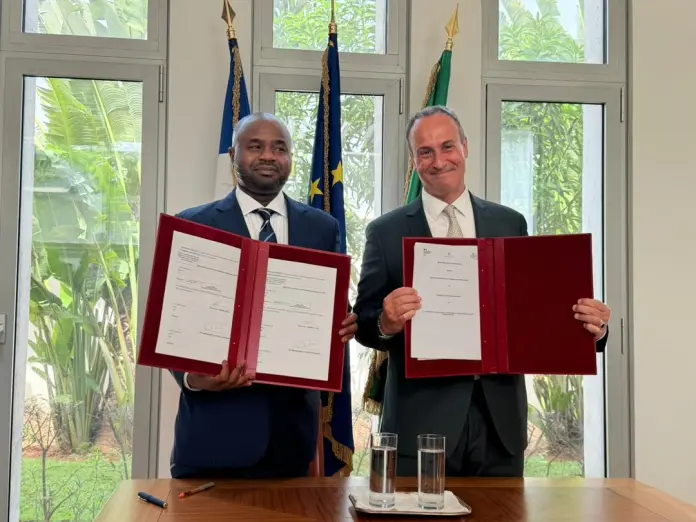
FIRS is pushing back hard, saying all the worry is overblown. They insist only aggregated and anonymized economic data gets shared, no raw details on individual taxpayers ever leaves Nigerian soil. In their statement, FIRS made it clear: “The MoU does not grant France access to Nigerian taxpayers’ data, digital systems or operational infrastructure.” They call it a “standard, globally recognised cooperation framework” that’s all about technical assistance and building up local skills.
The tax folks stress that Nigeria’s data protection and cybersecurity laws stay rock solid in place. The whole thing is advisory, fully under Nigeria’s thumb, and they point out these kinds of partnerships happen everywhere around the world. It’s more about swapping knowledge than sucking out data.
Still, the skeptics aren’t backing down. Opposition figures, civil society groups, and even regional elders are saying even lumped-up data can reveal too much about sensitive economic patterns. One commentator on X put it bluntly: “Allowing a foreign power into our tax architecture is effectively giving them a dashboard on our economy.” Another warned that once that data’s out, “we can’t get it back, putting our national economic sovereignty at risk.”
The backlash has pulled in heavy hitters like the Northern Elders Forum and the African Democratic Congress (ADC). Both are demanding the MoU gets paused or at least laid out completely for the public to see. The ADC went further, saying the Nigeria-France digital tax deal could straight-up threaten Nigeria’s data security, and they’re side-eyeing what France really gets out of this setup.
The timing isn’t helping things cool off either. France has been rethinking its spot in West Africa lately, pulling troops out of several countries as anti-French feelings rise, and now they’re leaning harder into economic ties, intelligence sharing, and tech help. Critics see this tax pact as just one piece of a bigger play to hang onto influence in the region, making the Nigeria-France digital tax deal sparks data privacy clash feel even more loaded.
For Nigeria, it’s a tough spot: how do you drag your tax system into the modern age without handing over the keys to the data that powers your whole economy? As the arguments fly back and forth, this MoU is turning into a real litmus test for African countries figuring out digital upgrades while holding tight to their independence.


Comments