

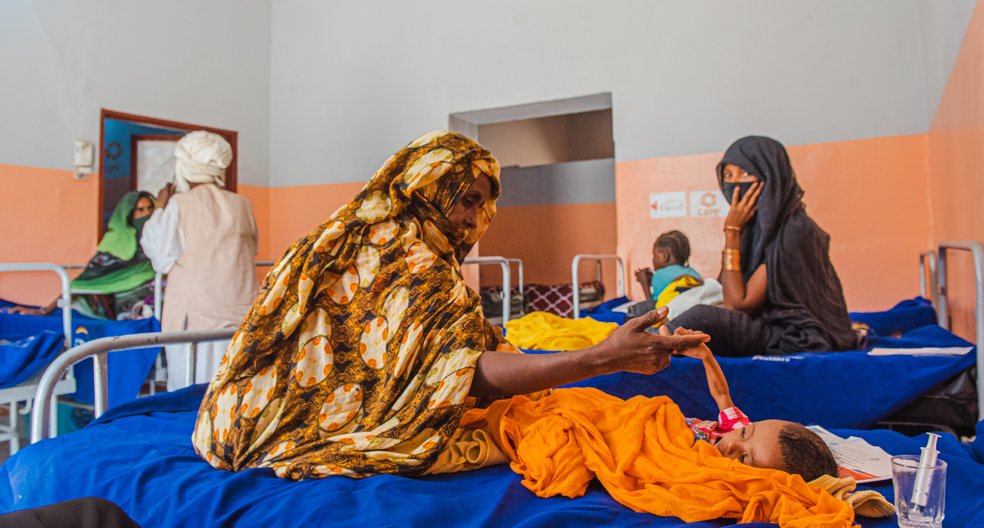
In a malnutrition ward at Alban Jadeed Hospital in Sudan’s war-torn capital, exhausted mothers lie beside their emaciated toddlers, their eyes hollow from hunger and hardship. Nearly two years of relentless conflict have trapped civilians, cutting off vital food and medical supplies. With resources dwindling, doctors are forced to ration therapeutic milk and other life-saving treatments.
The war, which erupted in April 2023 from a power struggle between Sudan’s army and the paramilitary Rapid Support Forces (RSF), has escalated into what the United Nations describes as the world’s most severe humanitarian crisis. Today, nearly half of Sudan’s 50 million people suffer from acute hunger, with famine devastating at least five regions, including parts of North Darfur. However, experts warn the real situation could be far worse due to restricted access preventing accurate data collection.
In Sudan’s greater capital, where Khartoum, Omdurman, and Bahri are divided by the Nile, both warring factions have blocked humanitarian and commercial deliveries, driving up food prices beyond the reach of most families. At Alban Jadeed Hospital in Bahri’s Sharg Elnil district, the malnutrition crisis is overwhelming. In 2023 alone, over 14,000 children under five suffered from severe acute malnutrition, while another 12,000 had milder cases, according to Dr. Azza Babiker, head of the therapeutic nutrition department. Alarmingly, only 600 children assessed were found to have a healthy weight.
Despite support from UNICEF and medical aid organization Médecins Sans Frontières (MSF), supply chains remain compromised, with RSF soldiers looting vital therapeutic milk supplies on multiple occasions. Hospitals and aid workers struggle to keep up with the soaring demand, as children suffering from malnutrition continue to fill the wards. Both warring factions deny obstructing aid deliveries, but the reality on the ground tells a different story.
Further exacerbating the crisis, reductions in USAID funding threaten to severely impact aid organizations and community kitchens that many families rely upon. The Sudanese army recently reclaimed Sharg Elnil from the RSF, marking one of several gains in the capital, yet food scarcity remains dire. Essential produce like fruits and vegetables has become increasingly rare and unaffordable. “Even when supplies are available, most families simply cannot afford them,” Babiker said.
For many mothers, the trauma of war has taken a devastating toll on their ability to produce breast milk. “Some arrive completely dehydrated,” said Dr. Raneen Adel at Alban Jadeed Hospital. “Mothers report that RSF forces entered their homes, and in their terror, they stopped producing breast milk—or they were physically assaulted, which further worsened their condition.” The RSF has not responded to requests for comment.
The intersection of malnutrition, poor sanitation, and medicine shortages has led to a rise in serious infections such as blood poisoning. Hospitals are running out of essential antibiotics, forcing medical staff to ask patients’ families to procure drugs from outside—an impossible task for those already struggling to afford food. “We tell them to buy the medicine, but they simply don’t have the money,” Adel said.
As Sudan’s humanitarian crisis deepens, the resilience of medical professionals and aid workers is being tested like never before. Without immediate and sustained intervention, the hunger crisis will continue to claim the most vulnerable lives, leaving an already war-ravaged nation on the brink of collapse.

