

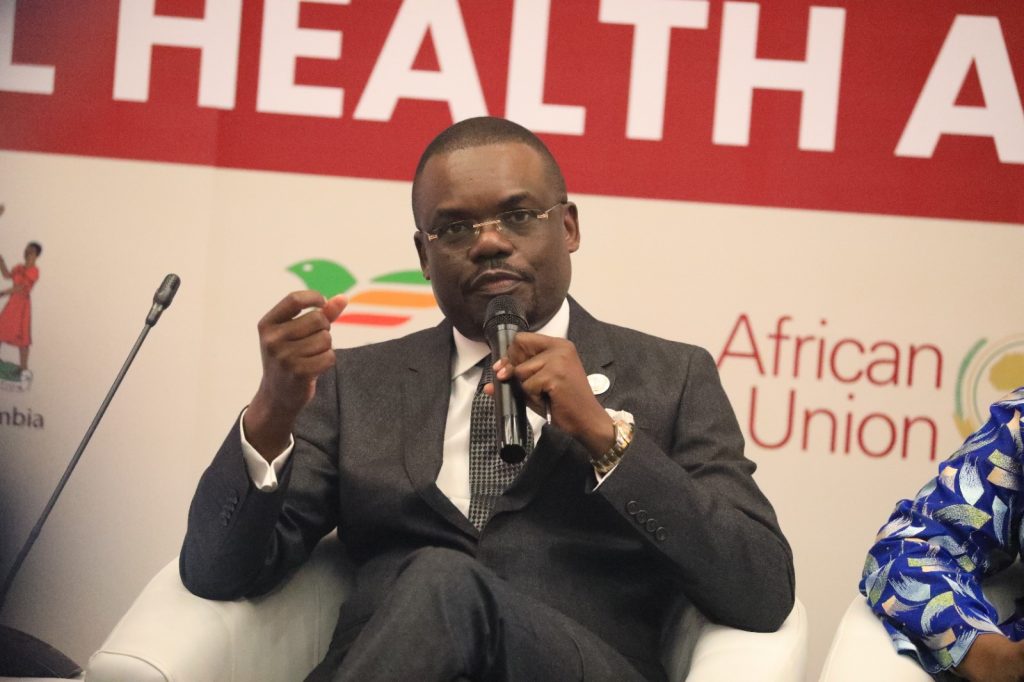
Africa’s top public health official is calling on the United States to lift its aid freeze, warning that the funding halt threatens millions of lives and could exacerbate disease outbreaks with global consequences.
Dr. Jean Kaseya, Director of the Africa Centres for Disease Control and Prevention (Africa CDC), announced plans to formally appeal to U.S. Secretary of State Marco Rubio on Thursday, emphasizing the urgent need for financial support to combat HIV, mpox, measles, and cholera across the continent.
Health Crisis Worsens as U.S. Aid Freeze Takes Effect
“When I got the information about the pause, I was alarmed,” Kaseya said. “How can we respond to all of the ongoing outbreaks if we don’t have funding?”
Africa CDC has been left with a $200 million shortfall due to the U.S. aid freeze, significantly affecting efforts to combat mpox, part of the $1.1 billion originally pledged. The funding gap has also stalled broader initiatives aimed at preventing 2 to 4 million additional deaths from preventable diseases each year.
Kaseya recently warned African leaders that without urgent financial intervention, critical health programs could collapse, leaving millions vulnerable to infectious diseases.
Impact of Conflict on Disease Response
Kaseya also highlighted how ongoing conflict in eastern Democratic Republic of Congo (DRC) is exacerbating the crisis, disrupting vaccination efforts for mpox, measles, and cholera.
For instance, millions of mpox vaccine doses, including those donated by Japan for children, remain stuck in Kinshasa, unable to reach affected regions due to insecurity in Goma.
“The U.S. and others must not forget the lessons of COVID-19,” Kaseya cautioned. “Ignoring ongoing health crises in Africa risks allowing viral mutations that could trigger another global pandemic.”
Call for Urgent Action
Despite the severity of the crisis, Kaseya acknowledged the waivers granted for lifesaving aid and the President’s Emergency Plan for AIDS Relief (PEPFAR) but stressed that a full restoration of funding is necessary to prevent a worsening humanitarian disaster.
“This pause will not just affect Africa but also the U.S.,” he warned. “Disease outbreaks will spread further without fully funded response efforts.”
As Africa CDC pushes for swift action, global health experts fear that delays in aid restoration could lead to uncontrolled outbreaks, further straining fragile healthcare systems and increasing the risk of cross-border disease transmission.

