

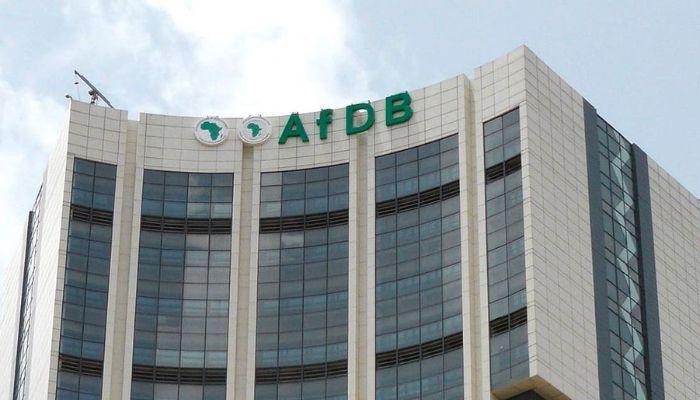
The African Development Bank (AfDB) has committed $1 million from its Special Relief Fund to provide emergency food aid to communities affected by severe flooding in Northeastern Nigeria.
The intervention, carried out in collaboration with the United Nations World Food Programme (WFP), is aimed at mitigating the worsening food crisis triggered by the September 2024 floods in Borno State. The disaster has exacerbated food insecurity in a region already facing the devastating impacts of conflict, displacement, and economic hardship.
Addressing Critical Food Shortages
According to WFP’s Country Director in Nigeria, David Stevenson, the funding will be used to deliver essential food supplies to thousands of vulnerable individuals in urgent need of assistance. He emphasized that many of the affected families had only recently started rebuilding their lives after years of insurgency, and the floods further disrupted their means of survival.
“The African Development Bank’s $1 million support is a lifeline for those struggling with food insecurity, especially amid rising food prices and economic instability,” Stevenson stated.
Escalating Hunger Crisis in Nigeria
Nigeria continues to face a growing food security challenge, with the latest Cadre Harmonisé analysis—a biannual food security assessment—projecting that 33 million Nigerians could face severe food shortages by August 2025.
Abdul Kamara, AfDB’s Director-General for Nigeria, expressed optimism that the grant would alleviate some of the hardship faced by affected communities. He commended the Nigerian government and WFP for their commitment to delivering aid in such difficult conditions.
AfDB’s Commitment to Long-Term Solutions
Kamara further highlighted that the emergency relief grant complements AfDB’s broader efforts in the region. The bank is actively restructuring initiatives such as the Programme for Integrated Agricultural Development and Adaptation to Climate Change (PIDACC) and the Inclusive Basic Service Delivery and Livelihood Empowerment Programme. These programs aim to strengthen agricultural productivity, enhance climate resilience, and provide essential services in states like Borno, Yobe, and Adamawa.
“As part of the Borno State Development Plan, WFP continues to deliver food and nutrition assistance to approximately one million people in the state each month,” Kamara noted. He added that WFP also trains healthcare professionals to detect and manage malnutrition in women and children while promoting essential nutrition practices.
AfDB and WFP’s Broader Impact
The African Development Bank has been instrumental in Nigeria’s economic development, financing transformative projects across multiple sectors, including infrastructure, agriculture, healthcare, and financial inclusion. Through strategic investments, the bank has contributed to economic growth and improved livelihoods nationwide.
Similarly, the World Food Programme, the world’s largest humanitarian organization, plays a critical role in addressing hunger and food insecurity. Operating in conflict zones and climate-affected regions, WFP provides life-saving food assistance while also implementing long-term initiatives that promote stability and resilience.
By partnering with institutions like AfDB, WFP continues to support sustainable solutions to hunger and malnutrition, ensuring that vulnerable communities receive both immediate relief and long-term assistance.

