

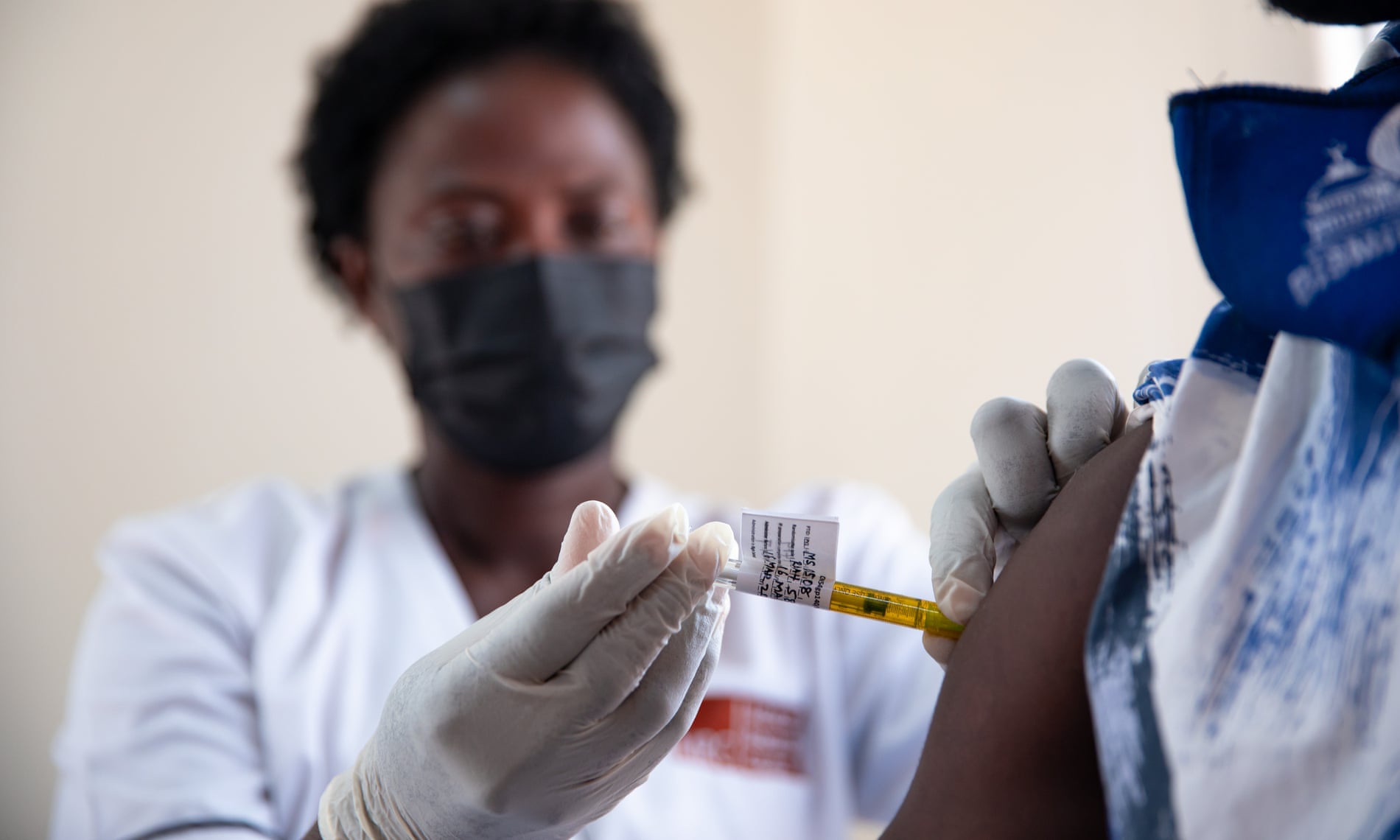
South African scientist Nozipho Mlotshwa was eagerly awaiting test results for a promising HIV vaccine when an unexpected directive from the United States Agency for International Development (USAID) halted the research.
Mlotshwa and her colleagues at the University of the Witwatersrand in Johannesburg had made significant progress. Their initial vaccine trials in rabbits showed an immune response—an encouraging yet inconclusive sign. They refined the formula and sent four new versions for pre-clinical testing.
“We were seeing very promising results,” said Mlotshwa, 32, from the Antiviral Gene Therapy Research Unit.
Now, those crucial animal blood samples remain frozen and untouched. Another related vaccine candidate, which was on the verge of human trials in South Africa, Kenya, and Uganda, has also been shelved.
U.S. Aid Cuts Disrupt HIV Vaccine Trials
The halted trials were part of the BRILLIANT initiative—an ambitious South African-led HIV vaccine development project backed entirely by a $45 million USAID grant. The initiative aimed to develop vaccine production capacity within Africa.
However, the project became a casualty of U.S. President Donald Trump’s decision to suspend foreign aid programs. The U.S. State Department has yet to clarify if or when funding might resume.
Nigel Garrett, Chief Scientific Officer at the Desmond Tutu Health Foundation, described the setback as devastating.
“It feels like we were on the brink of something groundbreaking,” Garrett said. “And then, suddenly, it’s all wiped away.”
Trump’s sweeping aid suspensions have affected multiple global research efforts, including agricultural protections and the release of critical medical studies, such as a report on the mpox outbreak.
The ‘Holy Grail’ of HIV Research
Developing an HIV vaccine has remained one of the most challenging goals in medical science since the virus was first identified in 1983. The Johannesburg team had been leveraging mRNA technology—similar to what was used in COVID-19 vaccines—alongside genetic sequences from two South African patients whose bodies naturally produce rare antibodies capable of neutralizing HIV.
“We were gaining momentum,” said Patrick Arbuthnot, director of the research unit. “An HIV vaccine is the holy grail of the field.”
Trump’s aid cuts included a 90-day freeze on all foreign development assistance, as part of his “America First” policy. Additionally, an executive order terminated all U.S. funding to South Africa, citing objections to the country’s land reform policies and its legal case against Israel.
A Blow to Global HIV Research
With over 8 million people living with HIV, South Africa has long been a global leader in HIV research.
“Some of the most groundbreaking HIV studies have come from South Africa, benefiting the entire world,” said Ntobeko Ntusi, CEO of the South African Medical Research Council, which spearheads HIV vaccine efforts.
However, with the U.S. providing about a third of the council’s funding—mainly for HIV, tuberculosis, and other public health research—the future of such projects remains uncertain.
The stalled human trial involved a vaccine combination developed in the U.S. and the Netherlands. The two substances had shown promise individually but had never been tested together.
Now, they sit in storage, awaiting a lifeline.
“We had a major opportunity and the funding to pursue it,” Garrett said. “It’s hard to find another source that can fill that gap.”

