

The World Health Organization (WHO) has issued a stark warning that the U.S. government’s abrupt suspension of funding for HIV programs may trigger a surge in HIV cases and jeopardize essential treatments in low- and middle-income countries. The funding pause threatens initiatives that currently deliver HIV care to over 30 million people around the globe, putting decades of progress at risk.
WHO officials caution that without consistent financial backing, millions could lose access to life-saving therapy, potentially reversing gains made in the fight against HIV. This concern comes at a time when numerous countries heavily depend on sustained support to manage and curb the spread of the virus.
PEPFAR’s Impact on Nigeria’s HIV Response
Nigeria, a key recipient of the U.S. President’s Emergency Plan for AIDS Relief (PEPFAR), has benefited from nearly $7.8 billion in support provided to its HIV response programs through agencies such as the National Agency for the Control of AIDS (NACA) between 2004 and 2023. With the recent funding freeze, approximately 1.8 million Nigerians living with HIV now face heightened risks, casting uncertainty on the nation’s ability to maintain its strides in HIV prevention and treatment.
Nigeria, which ranks second globally in the number of people living with HIV, is already grappling with an under-resourced healthcare system. The funding suspension intensifies the challenge, placing additional pressure on government agencies and stakeholders to secure alternative financial solutions. PEPFAR’s support is pivotal for Nigeria to achieve the “95-95-95” targets—aiming to diagnose, treat, and maintain treatment for those living with HIV.
Lives at Risk Amid Funding Suspension
The United States Agency for International Development (USAID) has highlighted that PEPFAR’s annual budget of $6.5 billion is critical for providing essential services such as HIV testing, medication, and educational programs. The U.S. State Department’s decision to suspend fund disbursement for at least 90 days while reassessing all foreign development programs now threatens to disrupt this support. Since its inception in 2003 under President George W. Bush, PEPFAR has been credited with saving over 26 million lives across 50 countries.
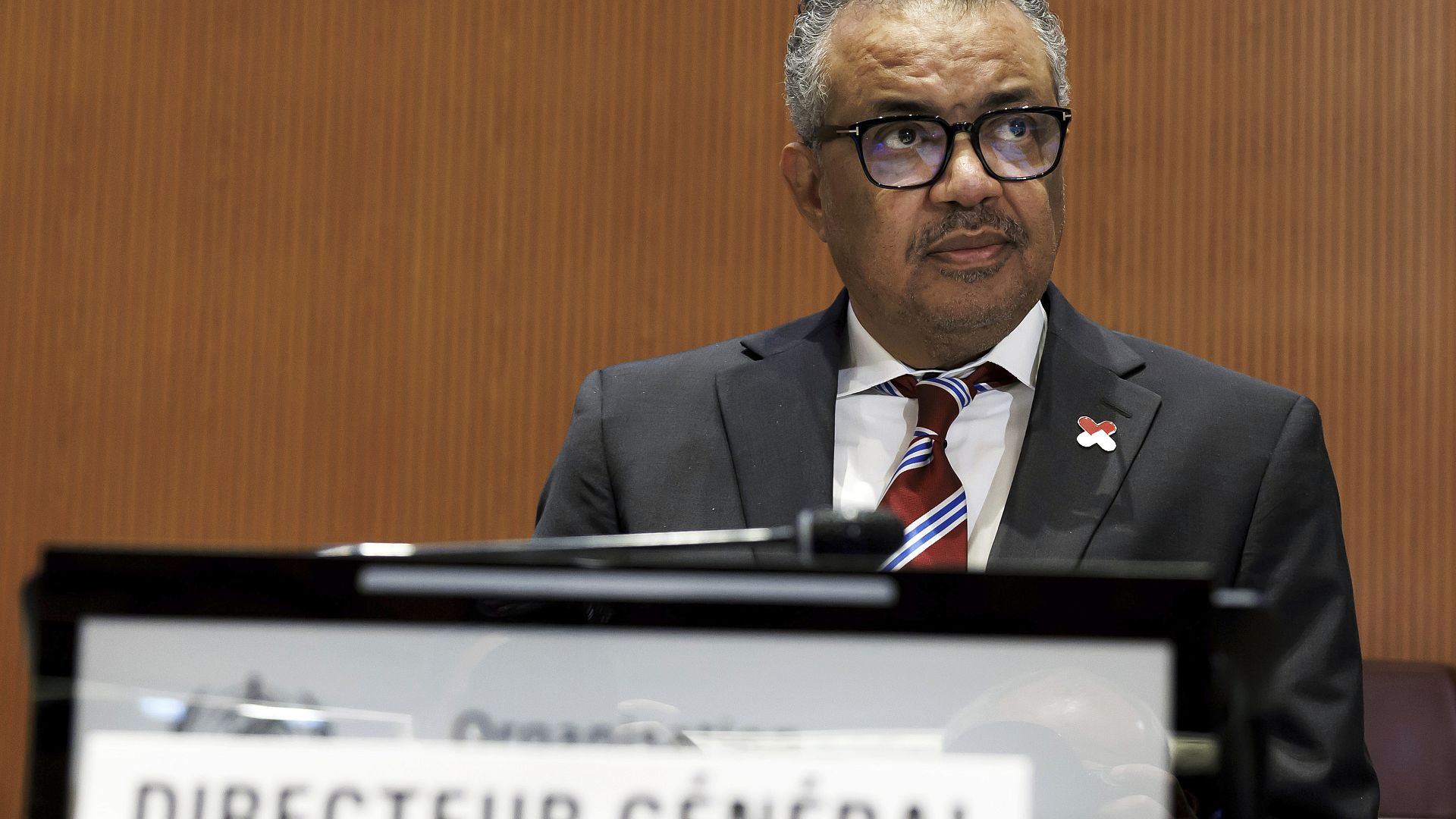
WHO Director-General Dr. Tedros Adhanom Ghebreyesus stressed that the funding halt poses an immediate danger to people living with HIV, warning that a prolonged suspension could undo decades of progress. “These programs are a lifeline for more than 30 million people globally,” Dr. Tedros stated. “Interrupting funding now can lead to increased illness and death, and it undermines our efforts to curb transmission in vulnerable communities.”
A Call for Urgent Action
Dr. Tedros further warned that the setbacks caused by the funding freeze could regress global HIV efforts to the dire conditions of the 1980s and 1990s when HIV-related deaths were rampant, even in the United States. He emphasized that such a regression would have far-reaching consequences, stalling critical partnerships and investments in scientific research that have been the backbone of effective public health strategies.
In response, WHO has urged the U.S. government to revise its funding policy and implement exemptions that would allow uninterrupted access to HIV treatment and care. With millions of lives at stake, WHO’s call for urgent action underscores the critical importance of sustained international support in the global fight against HIV.

