

The World Health Organization (WHO) has raised an urgent alarm over the impact of funding shortfalls on global health access, revealing that at least 70 countries are currently experiencing disruptions to essential medical services due to cuts in international aid programs.
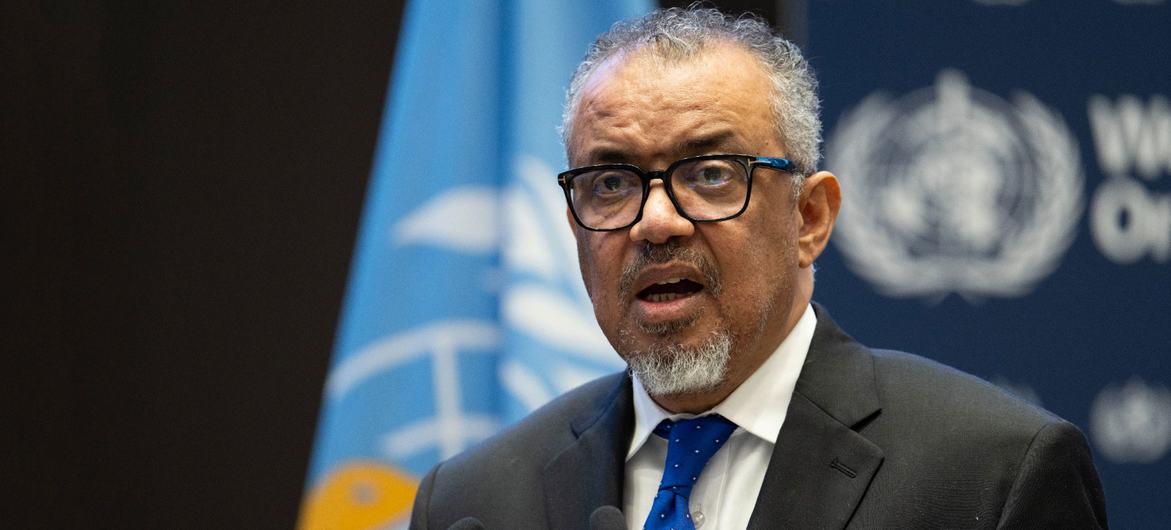
Speaking at the World Health Assembly in Geneva on Monday, WHO Director-General Dr. Tedros Adhanom Ghebreyesus stated:
“Patients are missing out on treatments, health facilities have closed, health workers have lost their jobs, and people face increased out-of-pocket health spending.”
The WHO, which plays a pivotal role in coordinating international health responses and disease surveillance, is facing a $600 million deficit in its annual budget and a projected 21% funding cut over the next two years. The organization has consequently revised its biennial budget to $4.2 billion—an average of $2.1 billion per year, which Dr. Tedros compared to global military spending every eight hours.
The funding gap is being exacerbated by the United States’ planned withdrawal from the WHO, a move that threatens to destabilize the agency’s financial base. In the absence of U.S. contributions, China is poised to become the WHO’s largest contributor through assessed state fees, which form a significant portion of the organization’s core funding alongside voluntary donations.
Diplomats, development partners, and hundreds of WHO officials have convened in Geneva to strategize on maintaining health responses amid global emergencies—ranging from cholera and mpox to humanitarian crises in conflict zones—despite diminishing donor support.
“Sudden and steep cuts to bilateral aid are causing severe disruption in many countries and imperiling the health of millions,” Tedros emphasized, urging nations to reassess global health investment priorities, especially at a time when defense spending continues to rise worldwide.
As a cost-control measure, the WHO has already downsized its workforce, reduced programmatic scope, and cut half of its senior leadership team last week.
Global health analysts and public policy advocates have warned that this trend could widen the health equity gap, particularly for low- and middle-income countries reliant on WHO-led interventions for vaccine access, disease outbreak response, and primary healthcare systems strengthening.
This funding crisis underscores the urgent need for a resilient, rules-based global health financing framework that prioritizes predictability, transparency, and shared responsibility among member states.

