

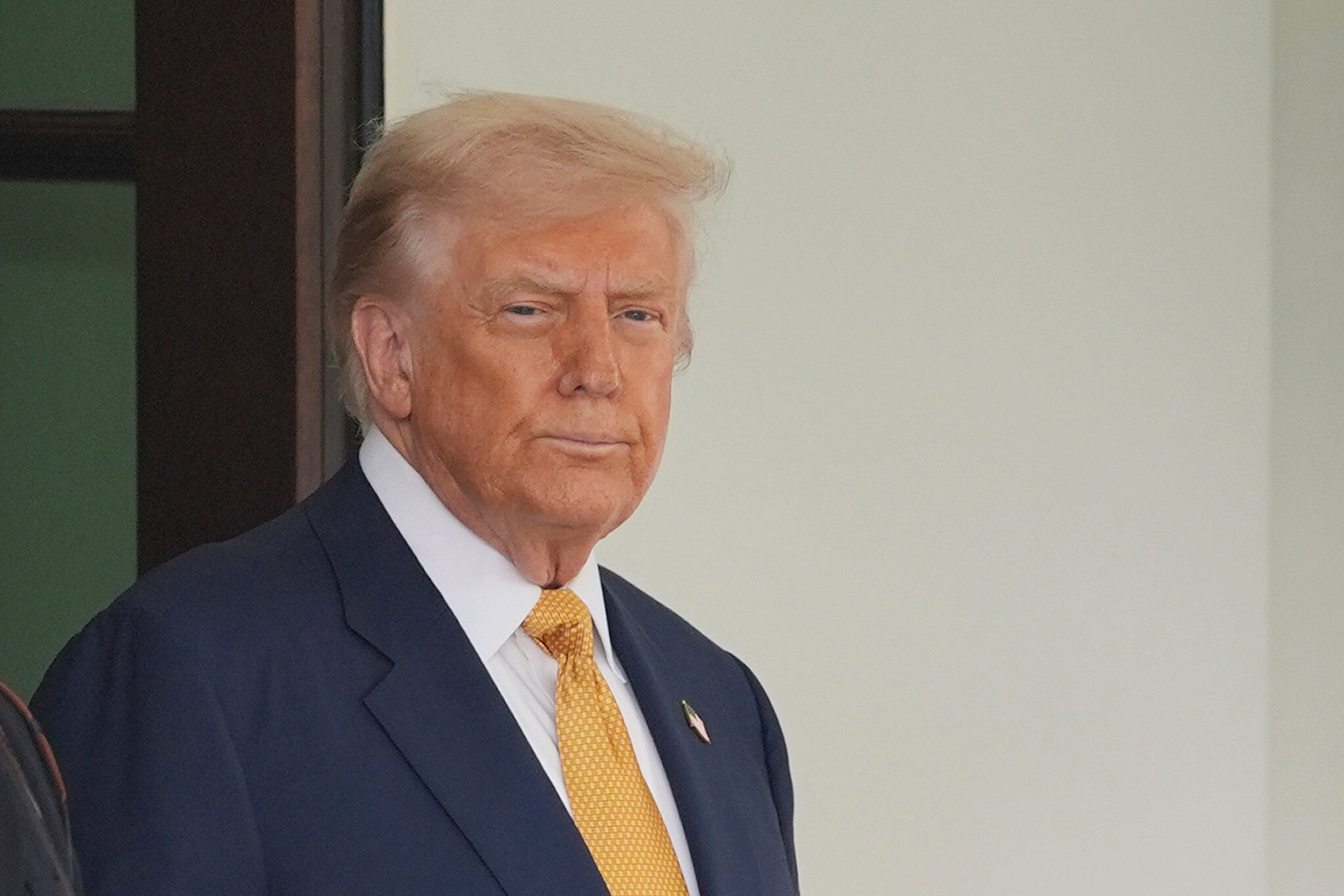
The United States Senate has taken decisive steps to safeguard the President’s Emergency Plan for AIDS Relief (PEPFAR) from sweeping foreign aid reductions proposed by former President Donald Trump’s administration — a move that offers renewed hope for millions living with HIV/AIDS across Nigeria and other developing nations.
The decision comes in response to bipartisan pressure, particularly from key Republican senators, who opposed a White House-backed plan to cut $400 million from the life-saving initiative. PEPFAR, first launched in 2003 by President George W. Bush, has delivered antiretroviral treatment and critical healthcare support to over 25 million people globally.
Following a closed-door session with Senate Republicans on Tuesday, Russell Vought, Director of the White House Office of Management and Budget, confirmed that the administration would now back a revised amendment preserving PEPFAR funding. “There is a substitute amendment that does not include the PEPFAR rescission, and we’re fine with that,” Vought said.
Although the overall spending cuts package remains pegged at $9 billion, the revised legislation — which must now return to the House of Representatives for approval ahead of Friday’s deadline — ensures continued support for one of the world’s most successful public health interventions.
Impact on Nigeria and Other Developing Countries
In countries like Nigeria, PEPFAR is integral to the national HIV/AIDS response, reportedly supporting up to 90% of treatment programmes. To date, the initiative has channelled over $6 billion into Nigeria, enhancing diagnostic capabilities, treatment access, and health systems strengthening.
Health experts and civil society organisations had raised alarms over the potential funding cuts, warning of dire consequences, including treatment interruptions and loss of healthcare personnel. A recent UNAIDS report highlighted that abrupt funding withdrawals had already disrupted supply chains, shuttered treatment centres, and led to widespread job losses in countries such as South Africa.
The report further warned of a possible 4 million additional AIDS-related deaths globally between now and 2029 — including 300,000 among children — if PEPFAR support is withdrawn permanently.
In response to the looming cuts, Nigeria’s National Assembly approved an additional ₦300 billion for the health sector in the 2025 budget. The federal government also earmarked ₦4.8 billion for the procurement of 150,000 HIV treatment packs under the 2024/2025 HIV Programme Alignment and pledged to absorb impacted healthcare workers into the national system.
Republican Resistance Halts Cuts
The Senate’s move to exclude PEPFAR from the budget rescission followed strong resistance from several senior Republican lawmakers who argued that undermining the programme would jeopardise years of progress in the global fight against HIV/AIDS.
Senate Majority Leader John Thune announced plans to push two procedural votes to advance the spending package, including one to discharge the legislation from the Senate Appropriations Committee and another to move it to the Senate floor.
“Rescissions have been part of the process around here for a long time,” Thune noted, adding that similar proposals had been submitted by past presidents from both parties. He downplayed the scope of the cuts, stating that the current rescissions represent “one tenth of one per cent of all federal spending” — a fraction of the overall budget.

