

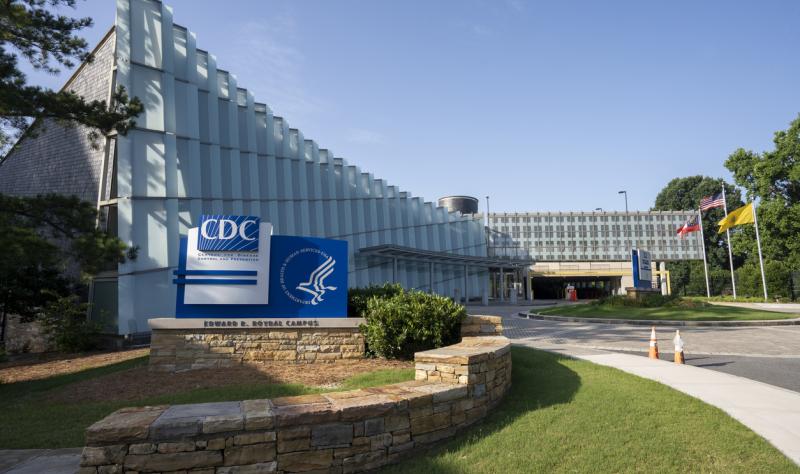
A senior official at the U.S. Centers for Disease Control and Prevention (CDC) has stepped down from her role overseeing hospitalization data for COVID-19 and respiratory syncytial virus (RSV), citing concerns over the potential politicization of scientific evidence in upcoming national vaccine policy decisions.
Dr. Fiona Havers, who led the CDC’s RESP-NET Hospitalization Surveillance Team, announced her resignation in an internal email on Monday, expressing a loss of confidence that data generated under her leadership would be used “objectively or evaluated with appropriate scientific rigor to make evidence-based vaccine policy decisions.”
According to a copy of the email reviewed by Reuters, Havers underscored her commitment to scientific integrity, highlighting that her team’s data had contributed to over 20 peer-reviewed studies and 15 editions of the CDC’s Morbidity and Mortality Weekly Report.
Her departure comes amid a controversial shake-up in federal vaccine policy leadership. U.S. Health Secretary Robert F. Kennedy Jr. recently dismissed all 17 members of the CDC’s long-standing vaccine advisory panel—the Advisory Committee on Immunization Practices (ACIP)—and replaced them with eight new appointees, several of whom have publicly questioned the efficacy or necessity of COVID-19 vaccines.
The decision to dissolve and reconstitute the panel has raised widespread concern within the scientific and medical communities, particularly as the newly appointed members prepare to vote on COVID-19 booster recommendations and other immunization guidance during their next meeting scheduled for June 25–27.
Critics say the move threatens to erode the evidence-based approach that has traditionally guided U.S. vaccination policy. Kennedy, known for his long-standing skepticism toward vaccines, also recently moved to eliminate federal recommendations supporting COVID-19 immunization for healthy children and pregnant women.
In response to the growing scrutiny, a spokesperson for the Department of Health and Human Services reaffirmed the agency’s commitment to “gold standard science,” stating that all vaccine policy decisions will continue to be informed by transparent analysis and objective data.
Havers did not respond to media requests for further comment.
Her resignation adds to the ongoing debate over the role of science in public health policymaking, particularly at a time when trust in health institutions and vaccine uptake remain fragile across various segments of the U.S. population.

