

A joint report by the World Health Organization (WHO) and UNICEF has revealed that 14.3 million children globally have yet to receive a single dose of any vaccine, underscoring a persistent gap in global immunisation efforts and a setback to the Immunisation Agenda 2030 (IA2030).
Released on Tuesday, the report highlights that the number of “zero-dose” children in 2024 exceeded the IA2030 milestone by over four million, and marks an increase of 1.4 million from the 2019 baseline—before the COVID-19 pandemic disrupted global healthcare systems.
In 2024, 89% of infants—approximately 115 million—received at least one dose of a diphtheria, tetanus, and pertussis (DTP)-containing vaccine, while 85%—around 109 million—completed the recommended three-dose series. Though modest gains were made compared to 2023, including 171,000 more children receiving at least one vaccine and one million more completing the full DTP course, nearly 20 million infants still missed at least one dose.
Vulnerable Populations Left Behind
The findings show a growing divide in global vaccination coverage. While 131 countries have consistently maintained over 90% DTP1 coverage since 2019, only 17 out of the remaining 64 have improved their immunisation rates over the past five years. Alarmingly, 47 countries experienced stagnation or decline, including 22 that previously surpassed the 90% threshold.
Children in fragile or conflict-affected countries remain disproportionately impacted. Although these 26 countries house just a quarter of the world’s infant population, they account for half of all zero-dose children. The number of unvaccinated children in these high-risk areas has surged from 3.6 million in 2019 to 5.4 million in 2024.
Global Leadership Reacts
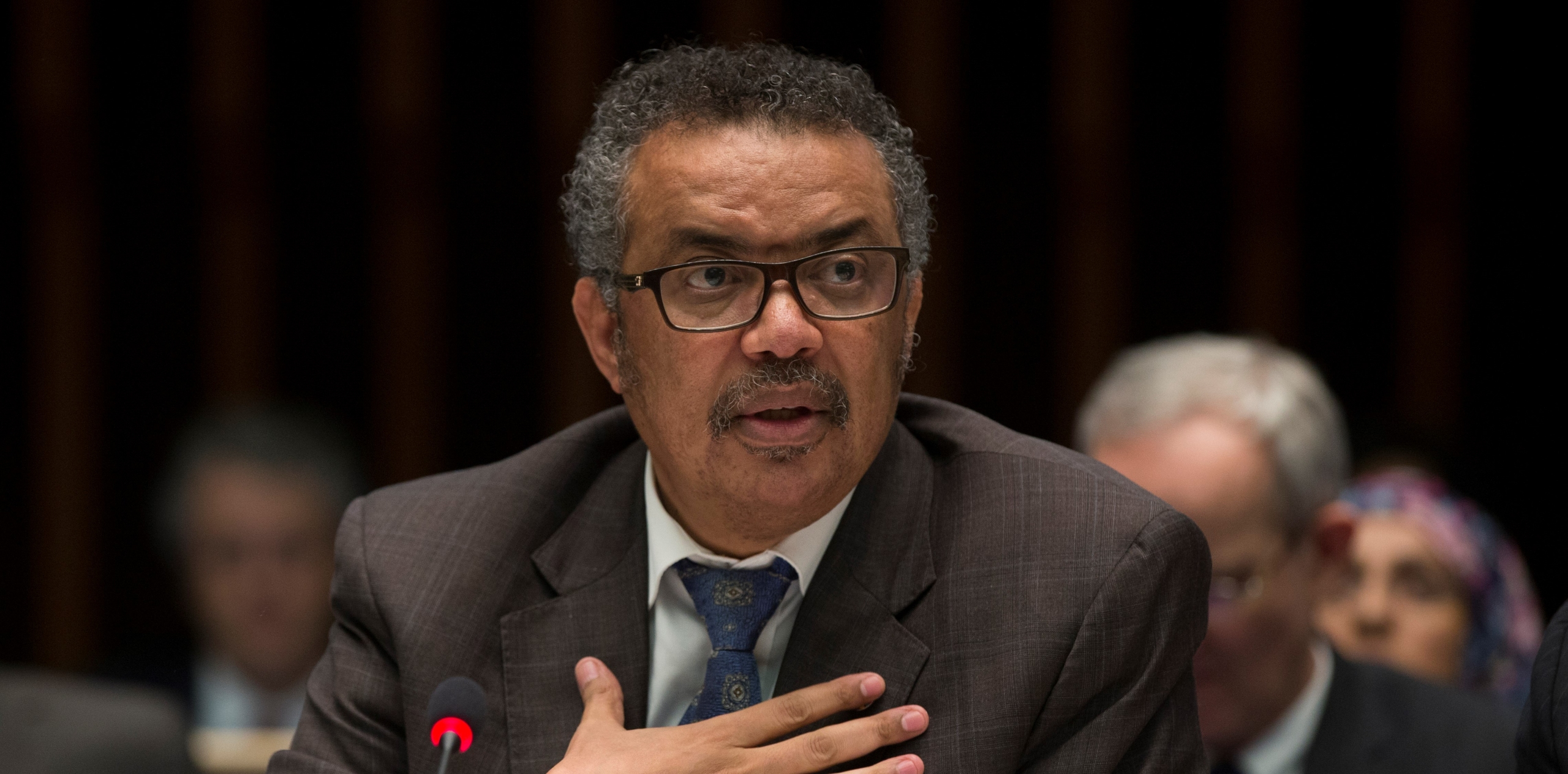
“Vaccines save lives and build stronger, healthier communities,” said WHO Director-General Dr. Tedros Adhanom Ghebreyesus. “The progress made is encouraging, but misinformation and shrinking aid budgets threaten to unravel decades of hard-won gains. WHO is committed to working with partners to develop context-driven solutions and increase domestic investment to reach every child.”
UNICEF Executive Director Catherine Russell echoed the call to action: “Millions of children remain vulnerable to preventable diseases. We must act decisively to overcome misinformation, healthcare access challenges, and funding shortfalls. No child should die from a disease we already know how to prevent.”
Progress Amid Challenges
Despite the headwinds, some low-income countries have made significant strides. Gavi, the Vaccine Alliance, reported that immunisation coverage improved across its 57 supported countries, reducing the number of un- and under-vaccinated children by 650,000 in 2024 alone.
Dr. Sania Nishtar, Gavi CEO, highlighted both progress and concern: “Lower-income countries protected more children than ever before, yet challenges such as rapid population growth, ongoing conflict, and limited access continue to threaten equity in immunisation.”
Coverage of the human papillomavirus (HPV) vaccine also saw notable gains. Global coverage rose to 31% among eligible adolescent girls in 2024, up from just 17% in 2019, driven largely by national scale-ups and a shift toward single-dose administration.
However, measles continues to pose a major risk. While 84% of children received the first dose of the measles vaccine and 76% received the second dose, coverage remains well below the 95% threshold required to prevent outbreaks. As a result, over 30 million children remain vulnerable, and the number of countries facing large or disruptive outbreaks nearly doubled—from 33 in 2022 to 60 in 2024.
Call to Action
To address these challenges, WHO and UNICEF have jointly called on governments and global health partners to:
-
Close funding gaps for Gavi’s next strategic period (2026–2030) to secure immunisation for millions in low-income countries;
-
Integrate vaccination more deeply into national primary healthcare systems;
-
Strengthen immunisation efforts in fragile and conflict-affected regions;
-
Prioritise locally driven, equity-focused strategies backed by increased domestic investment;
-
Combat vaccine misinformation using evidence-based communication; and
-
Enhance disease surveillance and data systems to guide targeted, high-impact interventions.
“Immunisation remains one of the most powerful tools we have to safeguard children’s health,” the report concluded. “Reaching zero-dose children is not just an immunisation imperative—it’s a global health and equity imperative.”

