

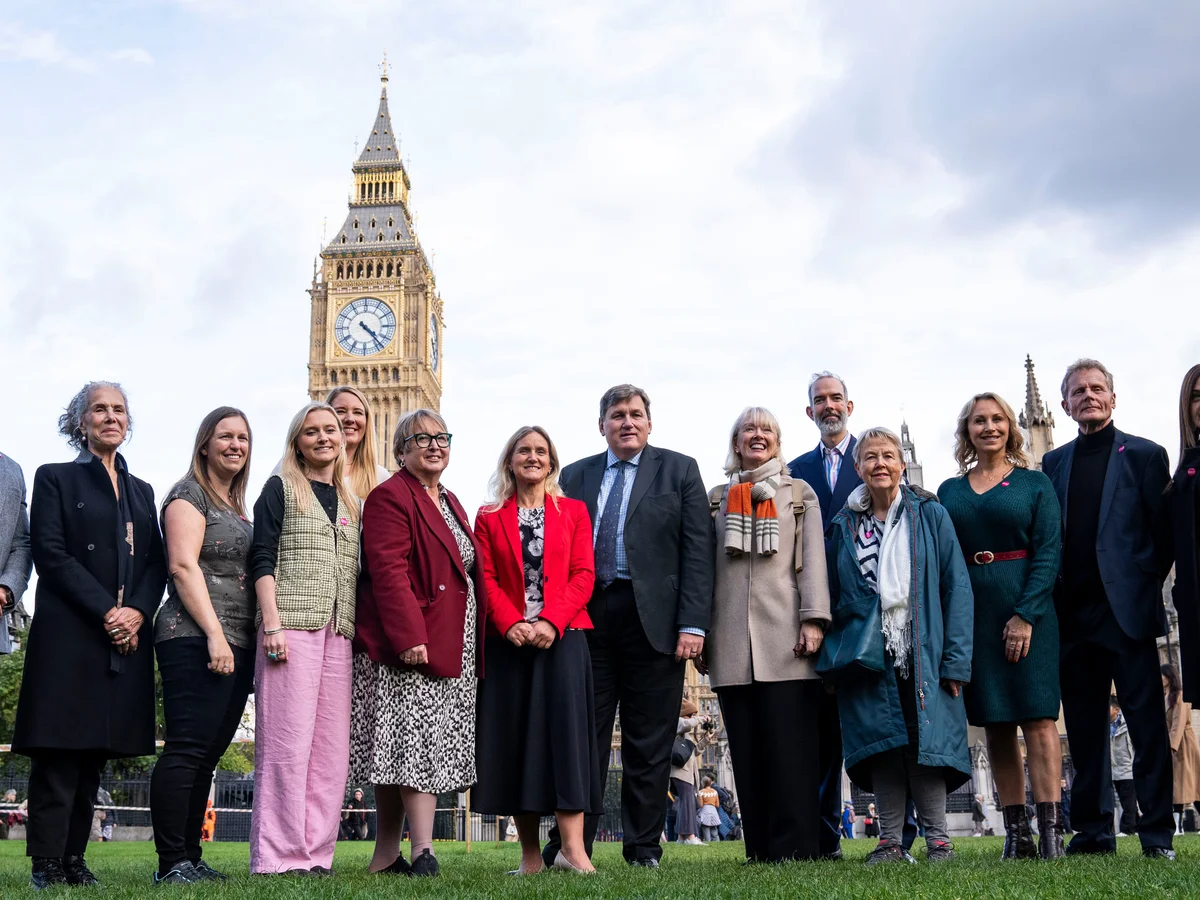
British lawmakers are set to cast a decisive vote on Friday on a proposed bill that could legalize assisted dying for terminally ill adults in England and Wales. The emotionally charged debate has sparked division across parliament and the nation, drawing in opinions from prominent figures, including former prime ministers, faith leaders, medical professionals, and members of Prime Minister Keir Starmer’s government.
A Historic Proposal
The proposed law would allow mentally competent adults with terminal illnesses and a life expectancy of six months or less to seek medical assistance to end their lives. This marks the first attempt in a decade to revise the law on assisted dying in Britain, igniting a national conversation about autonomy, dignity, and the role of the state in end-of-life care.
If the bill progresses through the legislative process, Britain would join countries like Australia, Canada, and some U.S. states in adopting one of the most significant social reforms in a generation.
Public Support vs. Parliamentary Hesitation
Public opinion appears largely in favor of the proposal. Polls indicate a majority of Britons support giving terminally ill individuals the option to end their lives on their own terms. This sentiment was echoed on London’s streets, with residents like Anne Ransome, a 71-year-old retired secretary, voicing conditional support:
“I am in favour of assisted dying as long as the backup is there to make sure that it is that person’s wish, no coercion at all.”
However, parliamentary backing remains uncertain. Some lawmakers seek more time to scrutinize the legal and financial implications, while others are concerned about the potential for coercion.
Proposed Safeguards
The bill includes stringent safeguards to prevent abuse. Two doctors and a High Court judge would need to confirm that the individual has made the decision voluntarily. Any attempt to pressure or coerce someone into assisted dying would carry a prison sentence of up to 14 years.
Labour MPs will be allowed a free vote, reflecting the deep divisions within the party. Health and justice ministers have opposed the bill, while others, including Starmer himself, have previously expressed support but remain noncommittal about Friday’s vote.
Kim Leadbeater, the Labour MP behind the bill, stressed the importance of aligning legislation with public sentiment:
“Dying people are having horrible deaths, and we have got a responsibility and a duty to give them the choice,” she said in an interview with BBC Radio.
Opposition and Alternatives
Opponents of the bill argue that the process feels rushed and raises unresolved concerns about implementation. Some question how judges would interact with individuals requesting assisted dying, while others advocate for improved palliative care as a more compassionate alternative.
Gordon Macdonald, CEO of the campaign group Care Not Killing, expressed fears over the erosion of safeguards:
“There’s been lots of assurances about safeguards … But in every jurisdiction in the world where it’s happened, the safeguards have been removed or eroded over time.”
A Tradition of Social Reform
If passed, the assisted dying bill would follow in the footsteps of transformative private members’ bills that legalized abortion, decriminalized homosexuality, and abolished the death penalty in the 1960s. However, the path forward is fraught with uncertainty. Opponents may attempt to derail the process through procedural tactics, and further debates and votes are expected in 2025.
Meanwhile, Scotland is pursuing its own legislative process to potentially legalize assisted dying, underscoring the broader momentum around the issue in the UK.
As lawmakers prepare to cast their votes, Britain stands at a crossroads, grappling with ethical, legal, and emotional questions that could shape the nation’s approach to end-of-life care for generations to come.

