

The World Health Organization (WHO) has officially recommended the global adoption of lenacapavir (LEN), a long-acting injectable drug that offers biannual protection against HIV, marking a significant leap forward in HIV prevention efforts.
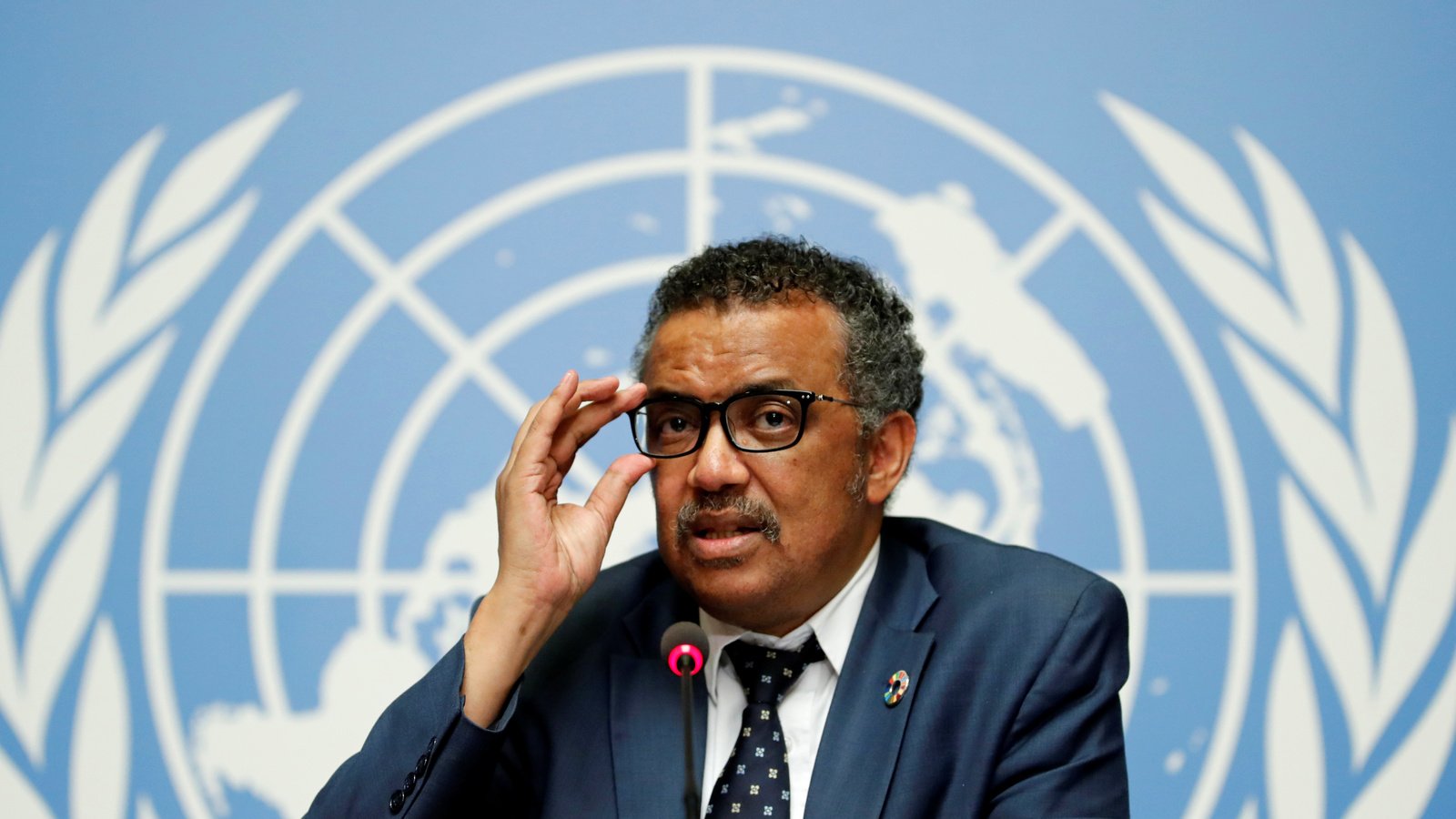
Lenacapavir, which only requires two injections per year, was described by WHO Director-General Dr. Tedros Adhanom Ghebreyesus as a critical tool in the fight against HIV, particularly in the absence of an effective vaccine. Speaking at the 13th International AIDS Society (IAS 2025) Conference on HIV Science held in Kigali, Rwanda, Dr. Ghebreyesus noted that clinical trials have shown LEN to provide near-total protection among high-risk populations.
The WHO underscored the urgency of expanding access to LEN through community clinics, pharmacies, and digital health platforms. The agency also advocated for the use of rapid HIV testing to simplify diagnostics and reduce barriers to treatment in underserved regions.
According to recent data, 1.3 million new HIV infections were recorded globally in 2024, with disproportionately high rates among sex workers, men who have sex with men, transgender individuals, people who inject drugs, incarcerated populations, and youth.
Although lenacapavir is currently limited to clinical trial settings, the WHO is calling on governments, donors, and healthcare partners to fast-track its integration into national HIV prevention strategies. The recommendation follows the U.S. Food and Drug Administration’s formal approval of the drug in June.
LEN joins a suite of WHO-recommended HIV prevention options, including daily oral pre-exposure prophylaxis (PrEP), the bimonthly injectable cabotegravir, and the dapivirine vaginal ring.
The announcement comes at a time of waning global investment in HIV/AIDS programmes, notably with significant budget cuts to PEPFAR—the U.S.-led global AIDS relief initiative.
“We have the tools and the knowledge to end AIDS,” said Dr. Meg Doherty, Director of WHO’s Global HIV, Hepatitis, and STI Programmes. “What we need now is bold implementation of these recommendations, grounded in equity and powered by communities.”
By the close of 2024, approximately 40.8 million people were living with HIV worldwide, with Africa accounting for 65% of that population. While 31.6 million people were receiving antiretroviral therapy, HIV-related deaths still claimed an estimated 630,000 lives globally.

