

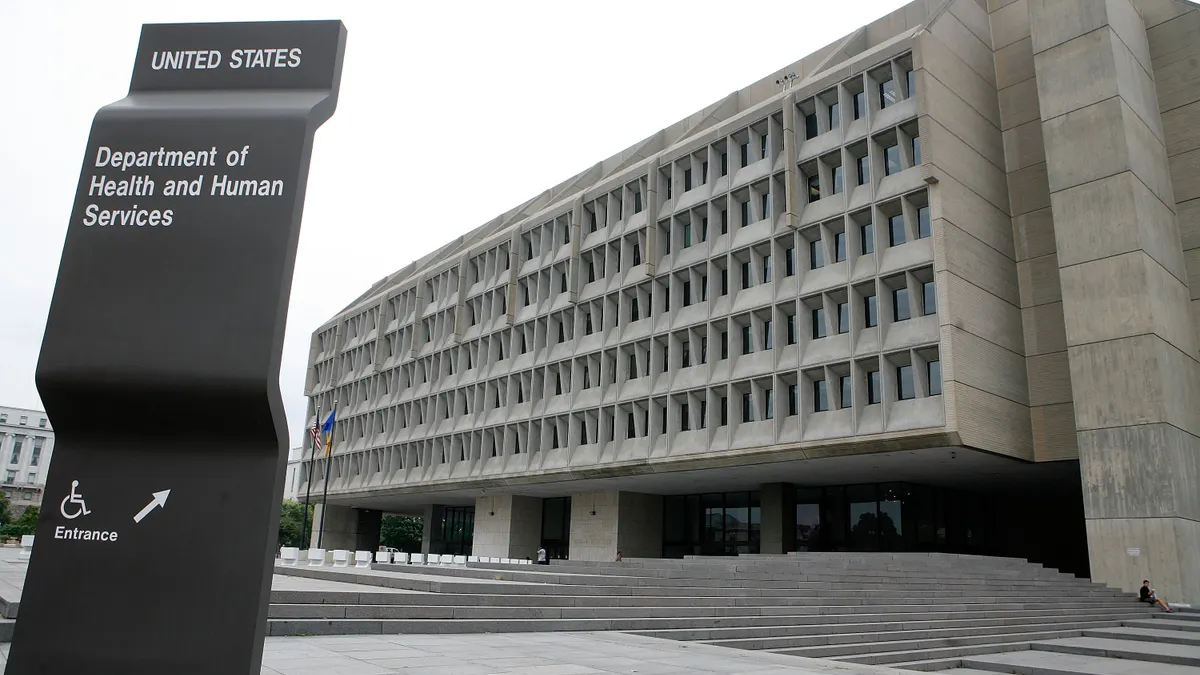
The U.S. Department of Health and Human Services (HHS) has confirmed a new data-sharing arrangement that grants Immigration and Customs Enforcement (ICE) access to personal information from approximately 79 million Medicaid enrollees. The initiative, which aims to identify and prevent the distribution of Medicaid benefits to individuals residing illegally in the country, has sparked significant privacy and regulatory concerns.
The agreement—reported by the Associated Press and signed earlier this week—allows the Centers for Medicare and Medicaid Services (CMS) to share enrollee data with the Department of Homeland Security (DHS), which oversees ICE. A spokesperson for HHS stated that the data exchange is legally permissible and compliant with existing regulations, including the Health Insurance Portability and Accountability Act (HIPAA).
“With respect to the recent data sharing between CMS and DHS, HHS acted entirely within its legal authority—and in full compliance with all applicable laws—to ensure that Medicaid benefits are reserved for individuals who are lawfully entitled to receive them,” the spokesperson said.
The collaboration reflects the Trump administration’s broader strategy to enforce stricter immigration controls, with HHS playing a growing role in verifying eligibility for federally funded healthcare programs. While undocumented immigrants are generally ineligible for Medicaid under federal law, several states—14 for children and seven (plus the District of Columbia) for adults—have policies that extend coverage regardless of immigration status.
According to the HHS spokesperson, the CMS is intensifying oversight to detect misuse of federal Medicaid funds. “This oversight effort—supported by lawful interagency data sharing with DHS—is focused on identifying waste, fraud, and systemic abuse,” the spokesperson added.
However, privacy advocates and healthcare stakeholders have raised concerns about the sensitivity of the shared data. While HHS did not disclose the specific data fields provided to DHS, the AP report indicates that the information includes home addresses and racial or ethnic identifiers—raising red flags regarding compliance with HIPAA privacy standards.
The move also follows recent administrative actions that expand the interpretation of laws limiting access to federal benefits for immigrants, reflecting a coordinated effort across federal agencies to align healthcare policy with immigration enforcement priorities.
As the debate over data privacy, healthcare access, and immigration intensifies, the development underscores the need for transparent regulatory oversight and robust data protection frameworks in interagency collaborations.

