

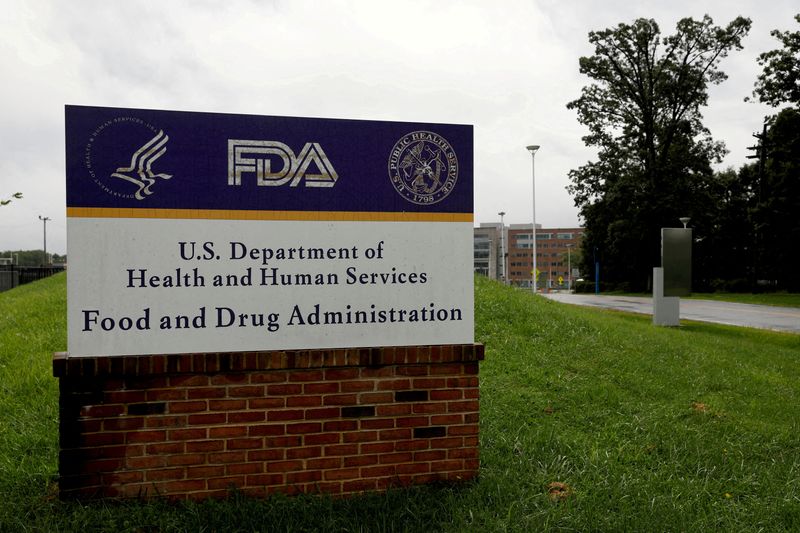
In a significant move to enhance regulatory openness, the U.S. Food and Drug Administration (FDA) has published more than 200 archived Complete Response Letters (CRLs) for drugs that were ultimately approved, marking a new phase in its transparency initiative under U.S. Health Secretary Robert F. Kennedy Jr.
The disclosure, announced on Thursday, is part of Kennedy’s broader pledge for “radical transparency” across the Department of Health and Human Services (HHS), which oversees the FDA. Kennedy, who has been a vocal critic of perceived regulatory capture by pharmaceutical and food industry interests, is aiming to make the agency more accountable to the public.
CRLs are issued when the FDA declines to approve a drug application, outlining the deficiencies in data or other regulatory concerns that must be addressed before approval. Until now, pharmaceutical companies have had full discretion over what—if any—information from these letters they disclose to investors and the public.
The letters released cover applications reviewed by the FDA between 2020 and 2024 and were only for drugs that were later approved. The agency said additional disclosures are forthcoming as part of the ongoing transparency effort.
According to the FDA, a 2015 study highlighted that most companies failed to disclose key safety or efficacy issues raised in CRLs, often replacing the content with selective or incomplete summaries in public communications. This lack of transparency, the FDA said, contributes to repeated errors across the pharmaceutical industry, as important regulatory lessons go unshared.
“This is about improving the drug development ecosystem,” the agency stated. “By making these documents accessible, we hope to reduce costly, avoidable mistakes and promote more informed submissions in the future.”
However, legal and industry analysts have suggested the move could trigger backlash. Paul Kim, a health policy attorney, noted, “The scope and precedent of this disclosure could prompt legal challenges from pharmaceutical sponsors or trade associations.”
Kim added that some of the letters may have already been disclosed in part through Freedom of Information Act (FOIA) requests, though cross-referencing exact details remains difficult.
HHS did not immediately confirm whether drug manufacturers were notified in advance about the public release of their CRLs.
Despite the potential legal and industry pushback, market analysts welcomed the move. Piper Sandler’s Biren Amin said the publication of CRLs could offer investors deeper insight into the FDA’s decision-making process.
“With this level of transparency, drug sponsors may feel a greater obligation to be forthcoming when facing regulatory setbacks,” Amin said.
The FDA emphasized that all trade secrets and confidential commercial data were carefully redacted before publication to protect proprietary information.

