

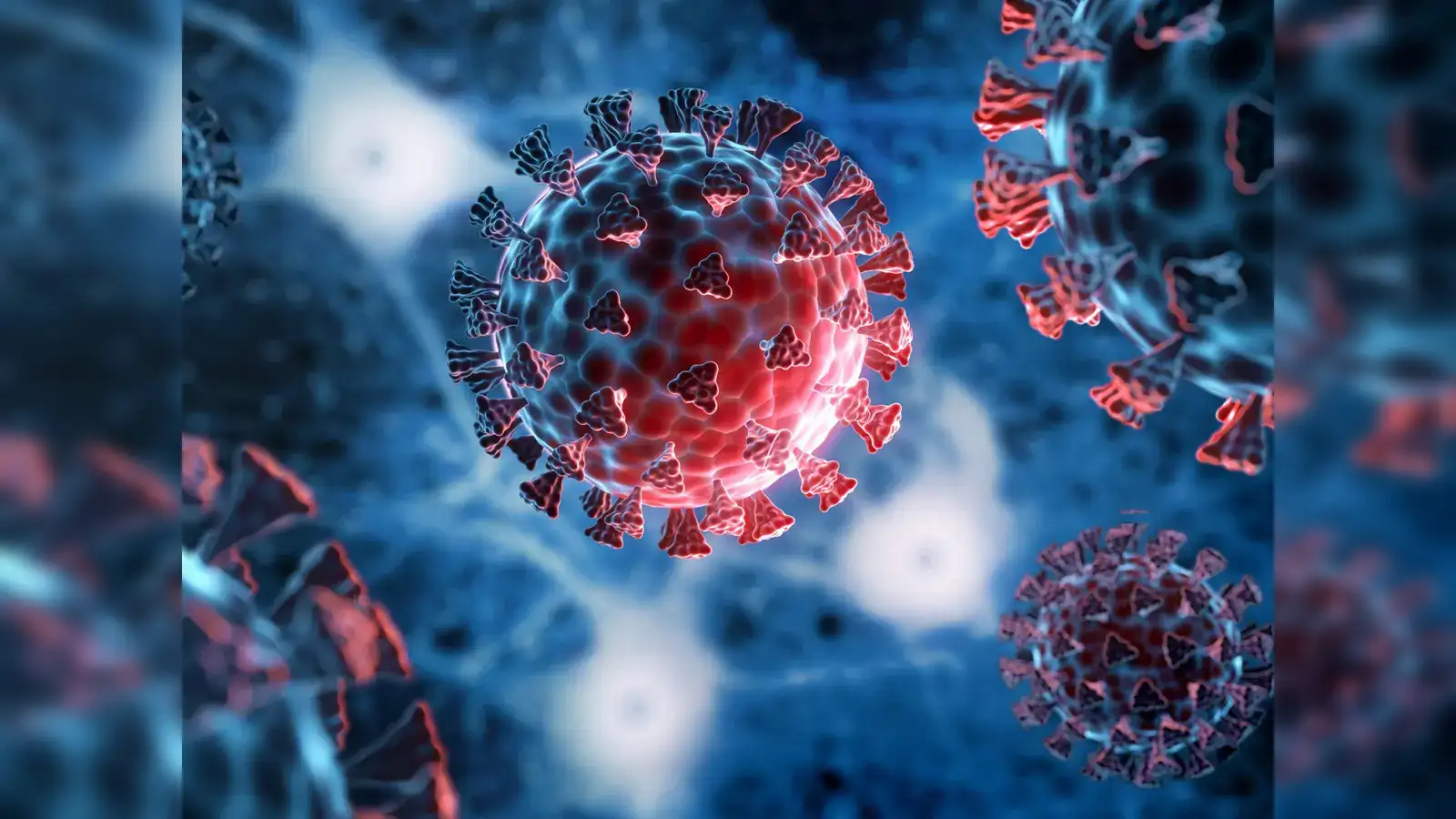
A new COVID-19 variant, NB.1.8.1—linked to a recent surge in China—has been detected across multiple U.S. states, prompting public health officials to monitor its spread and assess implications for the upcoming booster campaign. The Centers for Disease Control and Prevention (CDC) confirmed the presence of the variant but emphasized that available U.S. data remains limited.
“CDC is aware of reported cases of NB.1.8.1 in China and is in regular contact with international partners,” the agency stated.
Symptoms and Severity
Experts report that NB.1.8.1 exhibits symptoms similar to previous COVID-19 strains. These include respiratory symptoms such as sore throat and cough, as well as systemic issues like fever and fatigue.
“Current data suggests NB.1.8.1 does not cause more severe illness but may be more transmissible,” said Dr. Subhash Verma, Professor of Microbiology and Immunology at the University of Nevada, Reno School of Medicine.
Dr. Amy Edwards, an infectious disease specialist at Case Western Reserve University, added that early lab data shows this variant binds more effectively to human cells, increasing its transmission potential. However, the observed rise in hospitalizations in Asia appears to be part of a seasonal uptick rather than an indication of increased virulence.
Updated Booster Strategy Sparks Concern
Despite the variant’s heightened transmissibility, the Biden administration—under the direction of Health and Human Services Secretary Robert F. Kennedy Jr.—is narrowing access to updated COVID-19 booster vaccines. The U.S. Food and Drug Administration (FDA) announced that only individuals over 65 and those with high-risk conditions (such as diabetes or pregnancy) will automatically qualify for the next round of booster doses.
The FDA also mandated that manufacturers complete new clinical trials before expanded public availability is considered—potentially delaying broader access.
“This policy could discourage vaccination among the general population and delay protection during a critical transmission window,” warned Dr. Verma.
The ambiguity around qualifying pre-existing conditions and vaccine composition has drawn criticism from health professionals who fear it could reduce public confidence and uptake.
“People may be confused about eligibility or discouraged by cost and coverage uncertainties,” said Dr. Céline Gounder, public health expert and editor-at-large for KFF Health News. “Despite pledges of transparency, this decision limits access.”
Preventive Measures Remain Crucial
In the face of evolving guidelines, experts continue to advocate for everyday preventive practices. Dr. Edwards recommended:
-
Practicing proper cough and sneeze etiquette
-
Frequent handwashing
-
Staying home when unwell
-
Wearing masks in crowded or enclosed spaces
“Masks are particularly effective in preventing transmission from symptomatic individuals—even with mild symptoms,” she noted.
Authorities in Hong Kong have reinstated mask advisories for public transport and other high-density environments as local cases rise.

